Factory Supply 99% Glycine CAS 56-40-6
Do you know glycine?
Glycine (Gly), also known as aminoacetic acid, is a non-essential amino acid with the chemical formula C2H5NO2. Glycine is a component of the endogenous antioxidant reduced glutathione and is often supplemented exogenously during periods of severe stress. It is sometimes called a semi-essential amino acid. Glycine is the simplest amino acid. The human body can synthesize it, but it is also widely found in various protein-rich foods (such as meat, fish, legumes, and dairy products).
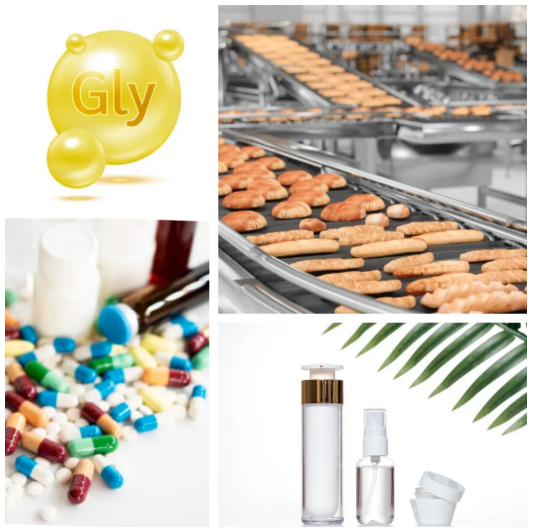
Glycine is a multifunctional amino acid with a wide range of applications in food, medicine, agriculture, industry, and reagents. It can be used as a food additive, pharmaceutical raw material, and feed supplement. It is also used in industrial electroplating, pesticide synthesis, and biochemical reagent preparation.
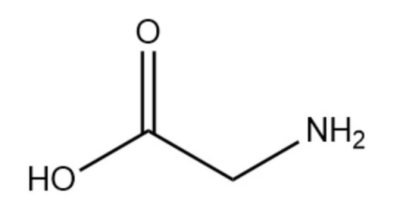
Density: 1.254 g/cm³
Melting Point: 232-236°C (decomposition)
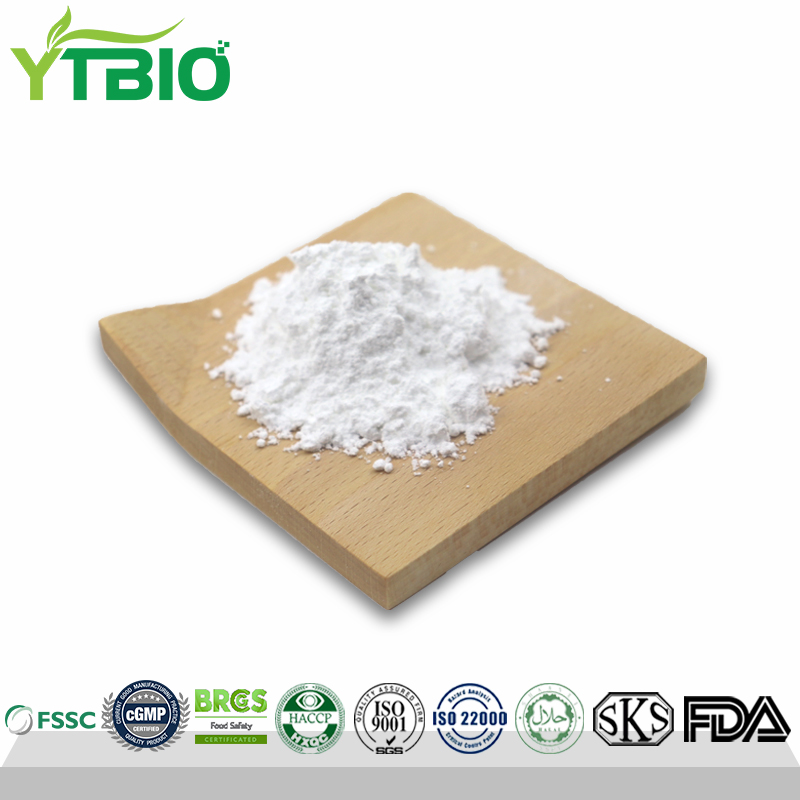
Appearance: White to off-white crystalline powder
Solubility: Freely soluble in water, slightly soluble in pyridine, practically insoluble in ethanol and ether
Glycine is a polar molecule as a whole (all amino acids are polar), but it is classified as a non-polar amino acid. This is because the polarity of an amino acid is determined by the properties of its R group, not the molecule as a whole. Glycine's side chain is a single hydrogen atom, classifying it as a hydrocarbon chain and non-polar. Similarly, although it is readily soluble in water, it is a hydrophobic amino acid.
YTBIO: Providing High-Quality Glycine and Services
High-quality nutritional supplements are crucial to your health journey. YTBIO specializes in providing high-quality Glycine.
Why choose YTBIO? We hold the following certifications:
- cGMP, ISO9001, and ISO22000 certifications ensure rigorous quality control throughout the entire process;
- BRC and HACCP system certifications ensure product safety and reliability;
- EU and NOP organic, kosher, and halal certifications meet various global standards and dietary requirements.
We specialize in the research, development, and production of natural plant extracts, cosmetic active ingredients, and health foods. We primarily produce plant extracts, health food ingredients, and a variety of end-use products, including capsules, softgels, granular capsules, gummies, tablets, and solid beverages. Our production facilities and equipment meet national standards, and our production processes strictly adhere to GMP requirements. If you have any questions, please feel free to contact us at sales@sxytorganic.com
What are the benefits of glycine?
Boosts Collagen Synthesis
Collagen is the most abundant protein in the human body, comprising approximately one-third of total protein. Glycine, in turn, makes up approximately one-third of collagen (the remainder is primarily hydroxyproline and proline). Supplementing with 10 grams of glycine daily can increase collagen synthesis by 200%, playing a key role in maintaining skin elasticity, strengthening bones and joints, promoting wound healing, slowing skin aging, and maintaining vascular health. Glycine deficiency directly impacts normal collagen synthesis.
Mitochondrial Health
Glycine plays a key role in maintaining mitochondrial function, which is essential for energy production within cells. Healthy mitochondria help prevent cell damage and promote vitality, thereby contributing to longevity.
Protein Protection
This amino acid helps protect proteins from damage caused by oxidative stress. By maintaining protein integrity, glycine supports cellular repair processes and overall health, which is crucial for graceful aging.
Improves Sleep Quality
Research has shown that glycine can enhance sleep quality. Good sleep is crucial for recovery, cognitive function, and overall well-being, making it a key factor in anti-aging strategies.
Antioxidant and Anti-Inflammatory
Glycine is a key component in the synthesis of glutathione, one of the most potent endogenous antioxidants in the human body and known as the "mother of antioxidants." Glycine scavenges free radicals, slows aging, and reduces the risk of chronic diseases. Furthermore, glycine exhibits anti-inflammatory properties, inhibiting the production of inflammatory factors and playing a positive role in preventing and alleviating inflammatory diseases. Experimental studies have shown that daily supplementation of 15 grams of glycine significantly reduces oxidative stress markers and systolic blood pressure in patients with metabolic syndrome.
Supports Digestive Health
Glycine participates in the synthesis of bile salts and is crucial for fat digestion and absorption. Adequate glycine levels in the body aid in the absorption of fat-soluble vitamins (A, D, E, and K) and maintain digestive function. Glycine stimulates the secretion of glucagon-like peptides to promote lipid metabolism, participates in the synthesis of bile acids to help emulsify lipids, strengthens the intestinal barrier function, and reduces inflammation. It also protects digestive cells by increasing glutathione levels, thereby optimizing nutrient absorption.
Regulating Neurotransmission
Glycine is also an important inhibitory neurotransmitter in the central nervous system, helping to regulate motor function, sensory transmission, and brainstem activity, and even influencing learning and memory processes. Clinical studies have shown that daily glycine intake of 0.2-0.8 grams per kilogram of body weight for 6 to 12 weeks can improve psychiatric symptoms in patients with psychiatric disorders. Glycine is currently used as an adjunct to the treatment of bipolar disorder, ADHD, and to prevent epileptic seizures.
Glycine's Role in Aging and Longevity
Glycine is the smallest amino acid in our body. It is considered "conditionally essential," meaning that under certain conditions, your body's production is limited. Glycine is highly concentrated in collagen, a protein needed to build our skin.
Several studies have shown that glycine can extend lifespan. In one study, glycine increased lifespan in mice, particularly in males. Female mice lived 2% longer, while male mice lived 6%. A study in rats found a 30-40% increase in lifespan. In other organisms, such as fruit flies and the nematode C. elegans, glycine has also been shown to extend lifespan. Scientists claim they can "reverse aging" by adding glycine to human cell lines. Adding glycine to fibroblasts from a 97-year-old individual restored their mitochondrial function to a more youthful state. This study was conducted in a petri dish. Glycine's behavior in humans is more complex. However, numerous studies have shown that it has many beneficial effects on human health and aging.
Glycine:Sleep and Skin Health
In addition to its many beneficial effects on the aging process, glycine can also have some direct effects on our bodies. For example, in addition to improving sleep quality, glycine can also improve how people feel after sleep (the feeling after sleep). It can improve fatigue, energy and vitality, and mental clarity. Glycine can calm the mind and promote more restful sleep.
Glycine is a primary amino acid in collagen, a vital component of skin. This is why glycine is sometimes added to skin creams. Oral glycine can improve skin health and reduce wrinkle formation by increasing collagen production. Glycine is a building block of glutathione, an important antioxidant and repair molecule produced by cells. Glycine supplementation can improve glutathione production, thereby reducing oxidative stress.
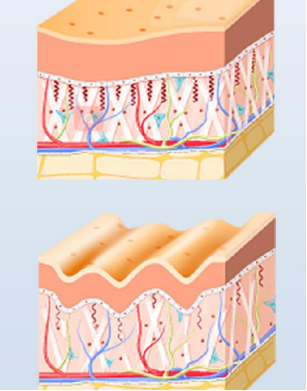
Collagen makes skin more elastic and smooth
Applications of Glycine
Nutritional Supplements
Common forms of glycine supplements include powders, capsules, and solutions. They have a slightly sweet taste and are easily dissolved in water, juice, or smoothies. They are widely added to various foods, including oral solutions, food, and beverages.
Food Industry
Flavoring and Sweetener: With a sweetness of 80% that of sucrose, it is used to enhance the flavor of foods such as beverages, seasonings, and surimi products.
Preservative: Inhibits the growth of Bacillus subtilis and Escherichia coli, extending the shelf life of foods. It is particularly widely used in rice and flour products and starch products.
Stabilizer: Maintains the stability of ingredients such as vitamin C and creatine, preventing oxidation and deterioration.
Cosmetics
Moisturizing and Anti-Wrinkle: Glycine and its derivatives (such as capryloylglycine) can enhance skin immunity, regulate skin pH, inhibit oil secretion, and improve enlarged pores and wrinkles.
Anti-Septic and Antibacterial: Capryloylglycine inhibits harmful microorganisms such as Staphylococcus aureus and Propionibacterium acnes, reducing the amount of preservatives used.
Industrial
Buffer: Utilizing its zwitterionic properties, it regulates pH and is used in pH-sensitive preparations such as biological products and enzymes.
Electroplating Bath Additive: Improves the stability and conductivity of plating baths.
Pesticide intermediates: The main raw material of glyphosate, used in herbicide production.
Pharmaceutical Field
Glycine can improve pancreatic function, reduce insulin resistance, and protect against complications such as diabetic nephropathy, cardiovascular disease, and cognitive impairment. It may regulate blood sugar and target organ function through antioxidant mechanisms.
It is used for irrigation during intracavitary surgeries such as transurethral resection of the prostate and transurethral resection of bladder tumors, reducing the risk of intraoperative bleeding and infection.
It is used as an intermediate for antibiotics such as cephalosporins and penicillin, and as a raw material for the synthesis of drugs such as imidazoleacetic acid.