

MCT Powder vs. MCT Oil: Dosage Form Differences and Selection Guide
In the fields of sports nutrition and ketogenic diets, MCT (medium-chain triglycerides), as a representative ingredient of functional fats, is attracting increasing attention from consumers. However, when faced with the two dosage forms of MCT oil and MCT powder, how should one choose?
I. Fundamental Differences
1. Form and Processing
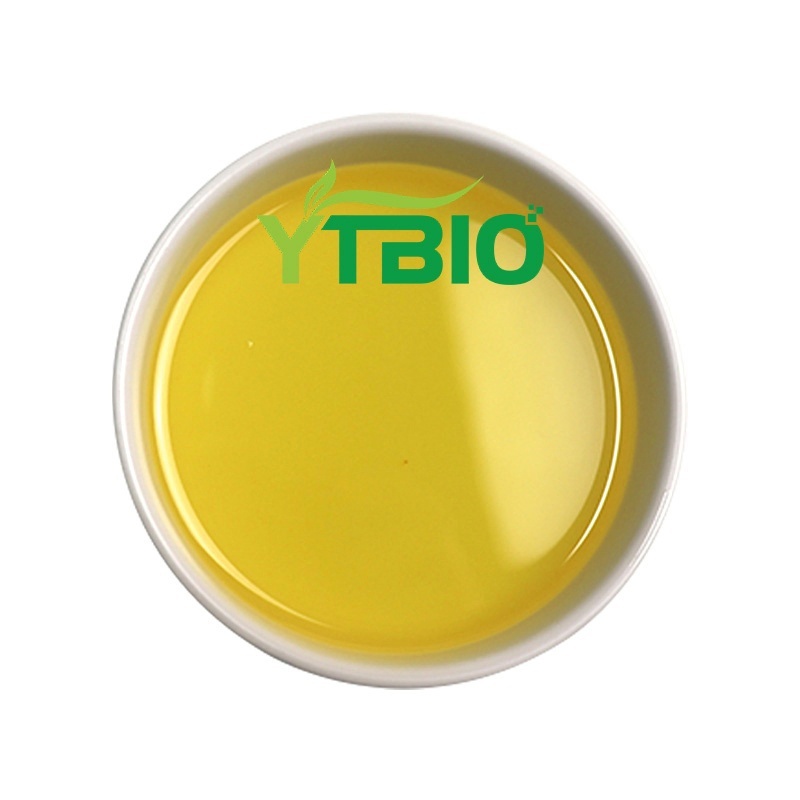
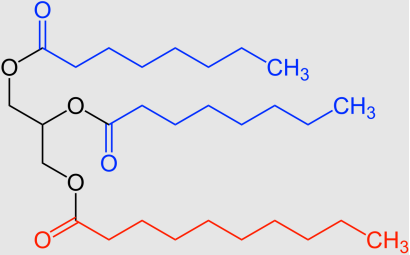
MCT oil is the original form of MCT, usually extracted from coconut oil or palm kernel oil, and obtained through hydrolysis and fractionation processes to obtain medium-chain fatty acids mainly composed of caprylic acid (C8) and capric acid (C10).
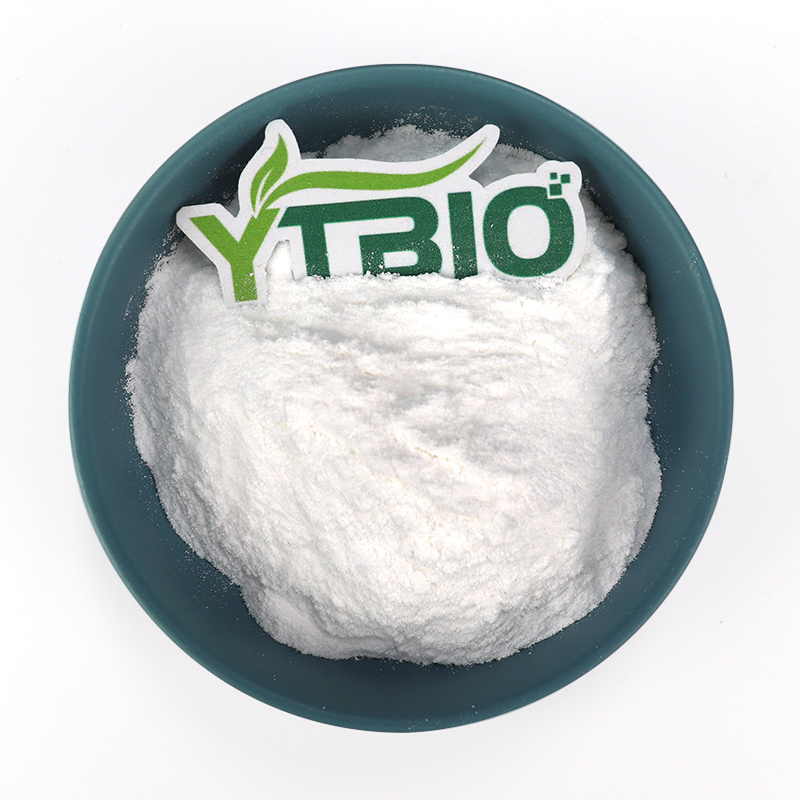
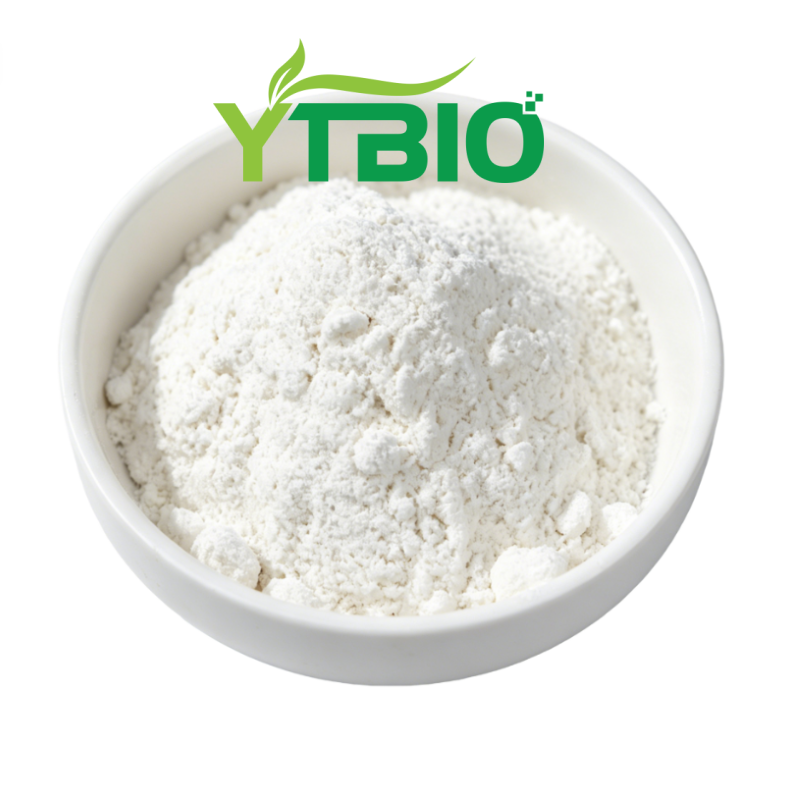
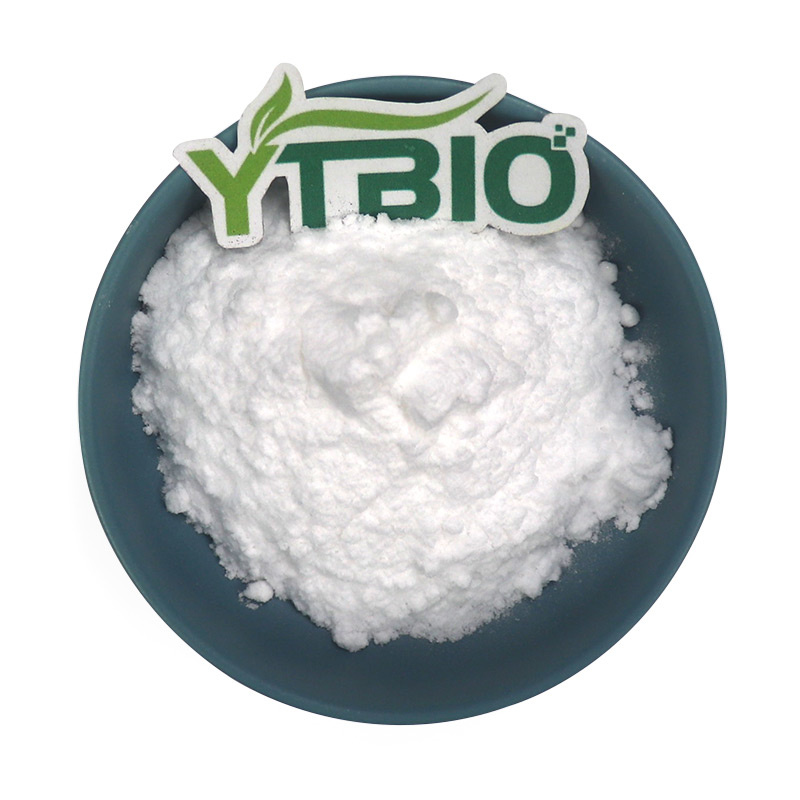
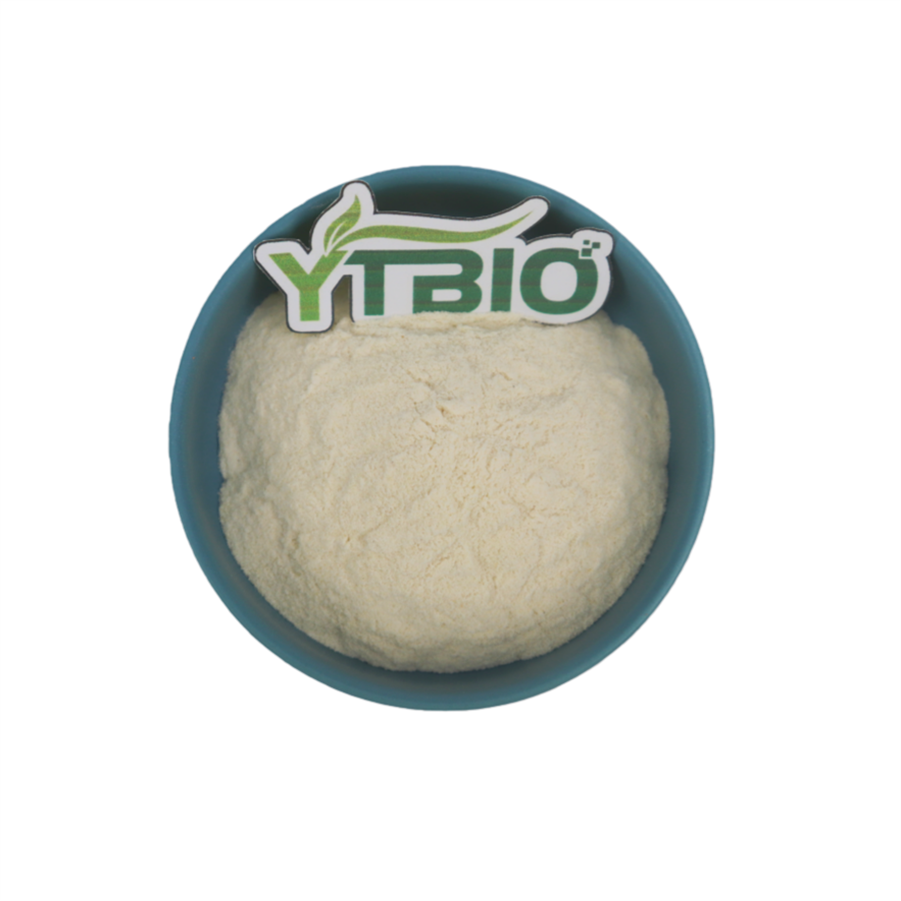
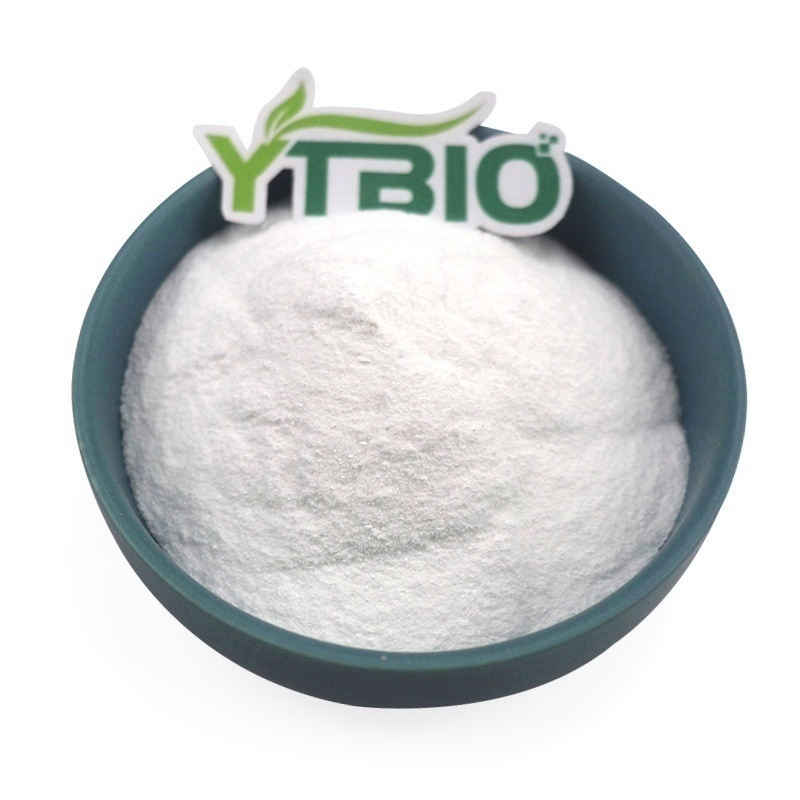
MCT powder, on the other hand, is a solid powder form made from MCT oil through microencapsulation technology.
2. Comparison of Core Physical Properties
| Dimensions | MCT Oil | MCT Powder |
| Form | Transparent to pale yellow liquid | White to off-white powder |
| MCT content | 95%-100% | Typically 50%-70% |
| Solubility | Oil-soluble, insoluble in water | Water-soluble or water-dispersible |
| Portability | Bottled, store away from light | Packaged in bags or cans for easy carrying |
| Shelf life | Long shelf life, but must be sealed after opening | Stable, hygroscopicity needs to be controlled |
II. Target Audience and Scenarios
MCT oil is suitable for experienced users who have established tolerance, whose bodies have adapted to the metabolic characteristics of MCT. MCT oil has a fast onset of action and high ketogenic efficiency, making it suitable for homemade beverages. It's important to note that initial use or excessive intake may cause gastrointestinal discomfort. It's recommended to start with 3-5 grams daily and gradually build tolerance.
MCT powder is more suitable for first-time users, those with sensitive stomachs, and users requiring a portable solution. The powder form releases more gradually during digestion, significantly reducing the risk of bloating, diarrhea, and other discomfort. It's portable and suitable for travel, office use, and outdoor activities. Furthermore, MCT powder can be easily integrated into other formulations for use in baked goods, meal replacement bars, or premixed with protein powder; some products also offer flavor options.

III. Selection Guidelines
Whether choosing an oil-based or powder formulation, raw material quality is the decisive factor:
1. Purity and Source
Prefer MCT extracted from coconut oil to ensure a natural source.
Pay attention to purity indicators: High-quality MCT oil should have a total C8+C10 content of over 95%.
Organic certification can be an added value.
2. Wall Material and Process (for MCT Powder)
The choice of wall material affects the powder's dispersibility, stability, and taste.
Prefer naturally sourced wall materials such as gum arabic and modified starch.
Microencapsulation processes must ensure effective encapsulation of MCT to prevent oxidative rancidity.
Pay attention to technical indicators such as particle size distribution, moisture content, and anti-caking treatment.
3. Compounding Capability
MCT powder can be compounded with BHB mineral salts (exogenous ketone bodies) to synergistically increase blood ketone body levels. Some products also add functional ingredients such as collagen and prebiotics to achieve a multi-functional product positioning.
There is no absolute superiority or inferiority between MCT oil and MCT powder; the key is to match the usage scenario and individual needs. MCT oil is suitable for experienced users seeking rapid ketosis and who have already established tolerance; MCT powder is suitable for those with sensitive stomachs, those who prioritize portability, and those who need to incorporate it into their formulations.
YTBIO provides high-quality MCT oil and MCT powder raw materials, supporting customized needs such as organic certification and non-GMO formulation. For detailed technical information or sample support, please contact us.
Email:sales@sxytbio.com
WhatsApp/phone:+86 17782577059