
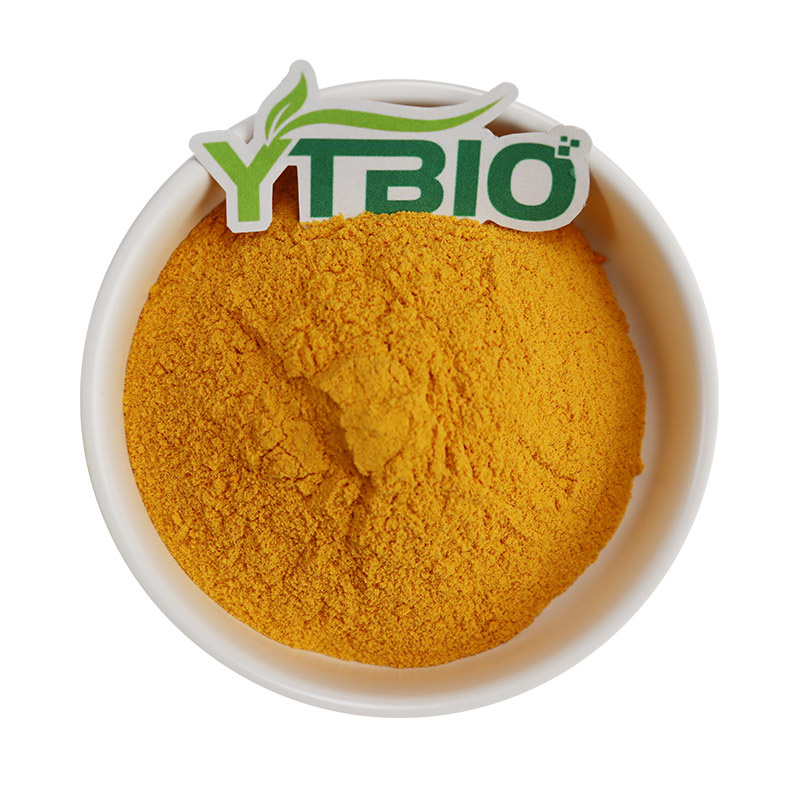
Why Is Retinyl Retinoate Considered a Gentler Vitamin A Solution?
In the fields of anti-aging and skin renewal, vitamin A and its derivatives have long occupied a central position. From retinol to retinoic acid, vitamin A–based ingredients are widely used due to their well-established efficacy. However, issues related to irritation and limited skin tolerance have consistently restricted their broader application.
In recent years, a novel vitamin A derivative—retinyl retinoate—has increasingly been regarded as a gentler vitamin A solution.

I. Why Do Traditional Vitamin A Ingredients Commonly Cause Irritation?
To understand the origin of “gentleness,” it is first necessary to clarify the biological conversion pathways of vitamin A ingredients and the sources of irritation.
Retinoic Acid
As the terminal active form that can directly bind to nuclear receptors, retinoic acid exhibits the strongest biological activity. However, its direct impact on the skin barrier is also the most pronounced, which is why its use is generally restricted to medical or prescription settings.
Retinol
As a precursor, retinol must undergo two enzymatic conversion steps in the skin to be transformed into retinoic acid. Although this process partially buffers direct irritation, fluctuations in the release rate and local concentration of active metabolites during conversion can still lead to common adverse reactions such as redness, dryness, and peeling.
The root cause of irritation can be summarized as follows:
an overly concentrated release of active forms and excessively high local concentration peaks, which place significant short-term metabolic stress on the stratum corneum barrier.
II. Molecular Structure Optimization
Retinyl retinoate is not a physical mixture of retinol and retinoic acid, but a novel single molecule formed through covalent ester bonding. One molecule of retinol and one molecule of retinoic acid are chemically integrated in a head-to-tail configuration.
This molecular design results in two key physicochemical improvements:
Enhanced Stability
The more robust molecular structure is less susceptible to oxidation and photodegradation in formulations, helping maintain activity throughout the product’s lifecycle.
Improved Release Control
Its biological activity in the skin depends on the gradual hydrolysis of the ester bond, enabling a shift from “rapid impact” to a controlled, slow-release delivery mechanism.
III. Scientific Rationale
1. Smoother and More Stable Activity Release
After penetrating the skin, retinyl retinoate does not immediately convert into high levels of free retinoic acid. Instead, retinol and retinoic acid are released progressively through enzymatic hydrolysis. This allows vitamin A signaling to be transmitted in a steadier and more sustained manner, avoiding acute barrier stress responses caused by sudden concentration spikes.
2. Reduced Interference with Skin Barrier Function
Clinical observations and experimental data indicate that, compared with traditional vitamin A ingredients, formulations containing retinyl retinoate are associated with smaller increases in transepidermal water loss (TEWL) and better preservation of stratum corneum lipid organization. This suggests that while delivering efficacy, retinyl retinoate exerts less disruption to the skin’s intrinsic protective systems.
3. Broader Applicability and User Profiles
Thanks to these characteristics, retinyl retinoate has been increasingly incorporated into:
- Anti-aging product lines designed for sensitive skin
- Entry-level vitamin A options for first-time users
- Serums and creams focused on nighttime repair and long-term skin renewal
This effectively lowers the threshold for high-performance vitamin A skincare, expanding its reach from a tolerance-limited niche to a broader consumer base.
IV. Does Greater Gentleness Come at the Expense of Efficacy?
This is a critical misconception. The gentleness of retinyl retinoate stems from optimized delivery kinetics, not from a weakened mechanism of action. It continues to operate through the core vitamin A pathways and is capable of:
- Accelerating normal keratinocyte turnover
- Promoting orderly epidermal cell differentiation
- Stimulating collagen and elastin synthesis in the dermis
In anti-aging skincare, the cumulative benefits achieved through long-term, consistent use often outweigh short-term gains from highly irritating “aggressive” treatments that are difficult to sustain. This long-term value proposition is a key reason why brands increasingly favor retinyl retinoate.
V. Unique Advantages in Formulation Applications
From a product development perspective, retinyl retinoate offers formulators greater flexibility:
Improved Compatibility
It can be readily combined with niacinamide, ceramides, peptides, and soothing botanical extracts to build integrated “anti-aging + barrier repair” systems.
Clear Market Positioning
Its intrinsic alignment with concepts such as “gentle yet effective,” “suitable for sensitive skin,” and “advanced anti-aging” supports strong product differentiation.
As a result, retinyl retinoate is appearing with increasing frequency in the core formulations of mid- to high-end skincare lines.
VI. Conclusion: Balanced Advantages and Limitations
As an innovative ingredient, retinyl retinoate also has defined boundaries of application:
Relatively higher cost: Its synthesis and purification requirements make it more expensive than conventional retinol.
Strict formulation requirements: Stability must be carefully managed to ensure sustained activity.
Gradual onset of results: Its effects are progressive, making it less suitable for scenarios that demand immediate resurfacing outcomes.
Final Perspective
Retinyl retinoate is considered a gentler vitamin A solution because its molecular-level intelligent design optimizes the delivery kinetics of active compounds, achieving a superior balance between strong biological efficacy and skin tolerability.
As a professional functional ingredient partner, YTBIO is committed to supplying stable, high-quality retinyl retinoate raw materials, supported by scientific application guidance, to help brands develop healthier and more sustainable skincare products.
For technical documentation or application support related to retinyl retinoate and other vitamin A derivatives, please contact: sales@sxytbio.com