
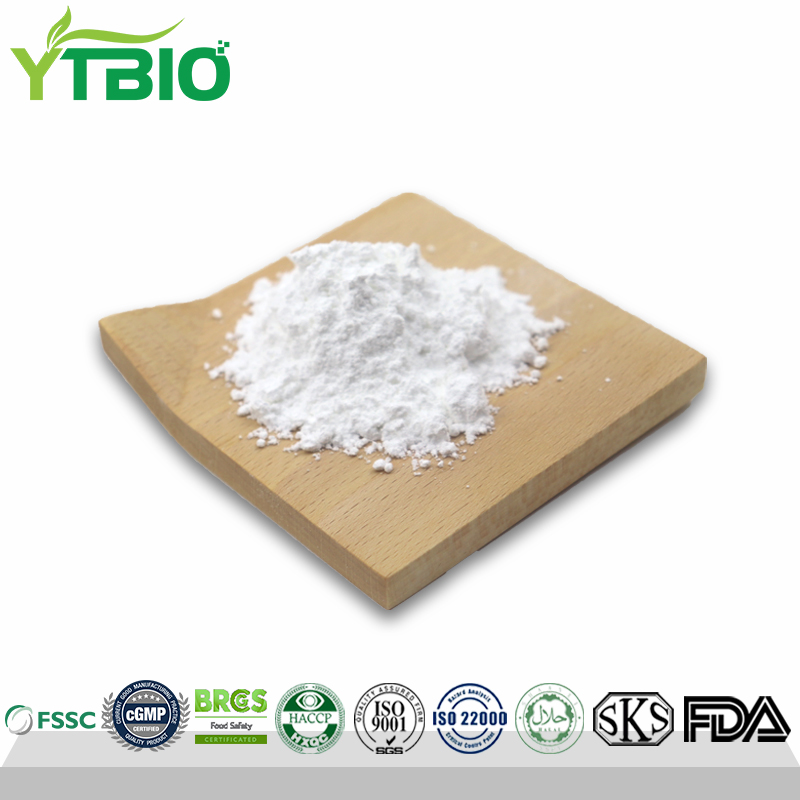
Wholesale 99% Succinic Acid Powder 110-15-6
Do You Know Succinic Acid?
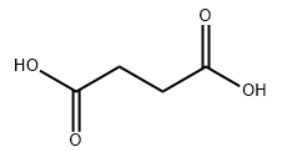
Succinic acid is a dicarboxylic acid. Its natural sources include amber, formed from the resin of pine plants buried underground for long periods of time. It is also widely present in the tissues of various plants and animals. Succinic acid is a key intermediate metabolite in the tricarboxylic acid cycle (TCA cycle) and participates in cellular energy metabolism. It is converted to fumarate in the body by succinate dehydrogenase, which in turn supports ATP production.
Succinic acid has anti-inflammatory, anti-ulcer, antibacterial, and anti-neurosensitive properties. It is also used in the synthesis of various pharmaceuticals, such as hemostatics and diuretics. Its sour taste makes it a seasoning and a treatment for nervous system problems.
PDRN - a technological breakthrough in skin regeneration and repair
Participation in energy metabolism
Succinic acid is converted to fumarate in the TCA cycle through the action of succinate dehydrogenase, which in turn supports the production of ATP and provides cellular energy.
Antioxidant effects
Succinic acid can activate the Nrf2 signaling pathway, enhancing the expression of antioxidant enzymes in cells, thereby reducing oxidative stress damage.
Anti-inflammatory effects
Succinic acid can exert anti-inflammatory effects by regulating inflammatory signaling pathways and inhibiting the release of inflammatory factors.
Nervous system benefits
Succinic acid has certain regulatory effects on the nervous system, improving energy metabolism in nerve cells and potentially treating certain neurological diseases.
Applications of Succinic Acid
Chemical Industry
It is widely used as a raw material for synthesizing plasticizers, resins, and coatings, particularly in environmentally friendly plasticizers, replacing traditional phthalates.
Pharmaceutical Industry
It is used in the synthesis of antibacterial and anti-inflammatory drugs, and can also serve as a drug carrier to improve bioavailability.
Food Industry
It is used as an acidity regulator, antioxidant, and yeast nutrient to improve food taste and shelf life. It can be used as a food acidifier for flavoring wine, feed, candy, and other ingredients. It can also be used as a flavor enhancer, flavoring agent, and antibacterial agent.
Agriculture
It is used in the production of plant growth regulators and microbial fertilizers to increase crop yields and disease resistance.
Environmentally Friendly Materials
It is a raw material for biodegradable plastics (such as PBS) and exhibits excellent biodegradability and mechanical properties.
Skincare Additives
Regulates oil secretion: It can reduce acne and enlarged pores, suitable for oily and sensitive skin.
Anti-inflammatory and Soothing: It inhibits inflammatory factors, reduces acne redness and swelling, and repairs damaged skin. Gentle skin rejuvenating: does not destroy the skin's pH value, avoids damage to the stratum corneum, and is suitable for long-term use.
How Succinic Acid Works on the Skin?
1. Succinic acid primarily regulates oil secretion and fights inflammation.
2. Salicylic acid is lipophilic and can penetrate deep into pores to dissolve oil and keratin. It has some anti-inflammatory properties and is primarily used for acne treatment and exfoliation.
3. Alpha-hydroxy acids accelerate the shedding of keratinocytes, promote skin metabolism, improve roughness, dullness, and reduce wrinkles.
Irritation
1. Succinic acid is relatively mild and has minimal irritation to the skin.
2. Salicylic acid can be somewhat irritating and can cause redness and stinging if used improperly.
3. The irritation of an alpha-hydroxy acid varies depending on the type and concentration of the alpha-hydroxy acid; higher concentrations increase the irritation.
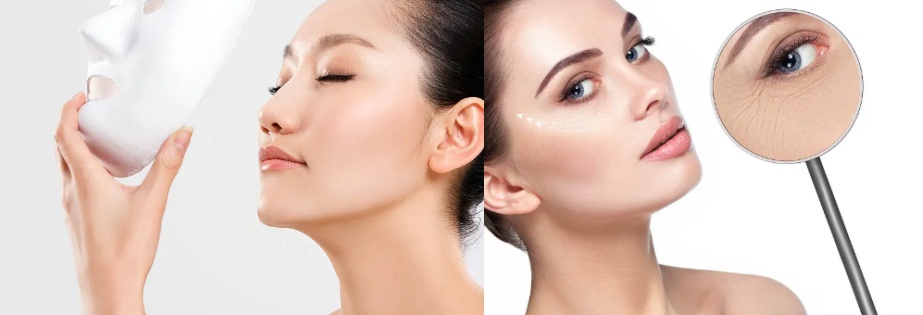
Suitable Skin Types
1. Succinic acid is suitable for a variety of skin types, especially sensitive skin with high oil secretion and acne-prone skin.
2. Salicylic acid is suitable for oily and acne-prone skin.
3. Alpha-hydroxy acids are more suitable for dry, rough, and dull skin, but should be used with caution on sensitive skin.
